Florida Governor: Gillum (D) 48%, DeSantis (R) 42%
Democrat Andrew Gillum holds a six-point lead over Republican Ron DeSantis in the race to be Florida’s next governor.
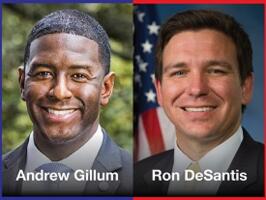
Democrat Andrew Gillum holds a six-point lead over Republican Ron DeSantis in the race to be Florida’s next governor.
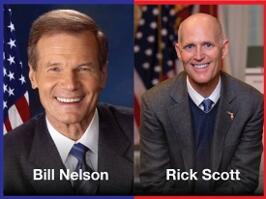
Incumbent Democrat Bill Nelson and retiring Republican Governor Rick Scott are in a virtual tie in the hotly contested U.S. Senate race in Florida.
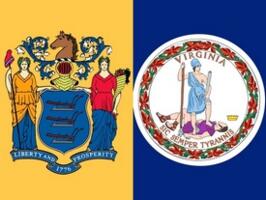
For many Democrats and most talking heads, today's gubernatorial contests in New Jersey and Virginia are referenda on President Trump, but what do the numbers say?
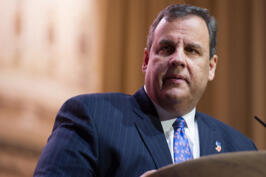
As New Jersey’s gubernatorial election nears to replace outgoing governor and one-time Republican presidential candidate Chris Christie, New Jerseyans are making it clear they’re ready to say goodbye.
The Virginia governor’s race is dead even four days before Election Day.
The New Jersey governor’s race is a runaway going into the final few days of the contest.

A lot of Americans have hard feelings after last November's presidential election.

With the luxury of a little more time since Election Day, we’ve taken a closer look at how we did pollwise relative to 538, RealClearPolitics and Huffington.
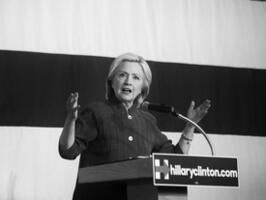
In the aftermath of one of the most stunning electoral upsets in U.S. history, Democrats have been searching for reasons why their candidate Hillary Clinton lost to Republican Donald Trump. Most voters agree it was the candidates themselves who decided the election, but a sizable number blame Clinton's loss on outside factors, primarily the FBI’s pre-election announcement that it was reopening its investigation of her.
Democrats, still searching for a reason for Hillary Clinton’s surprise defeat, now blame the Russians, but other voters don’t see it that way.

Rasmussen Reports told you all along that it was a much closer race than most other pollsters predicted. We weren’t surprised Election Night. They were. Now Real Clear Politics has posted the final results, and look who came in second out of 11 top pollsters who surveyed the four-way race.
Most Democrats welcome a presidential vote recount in three key states; most Republicans and unaffiliated voters do not. But the majority of voters in all three groups think a recount is unlikely to reverse Donald Trump’s victory. (To see survey question wording, click here.)

He may have been the outsider candidate elected on a promise to “drain the swamp” of Washington, DC, but voters are more concerned president-elect Donald Trump will try to make too many changes than too few.

Rasmussen Reports’ final White House Watch daily tracking poll survey was posted Monday morning. It showed Democrat Hillary Clinton with a two-point advantage over Republican Donald Trump – 45% to 43%. To be precise, it was Clinton 44.8% to Trump 43.1%, a difference of 1.7%.
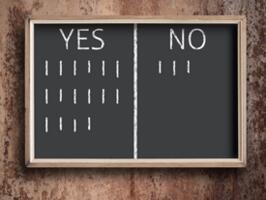
Most voters are confident in the outcome of last week's election, but few trust the media coverage that led up to it.
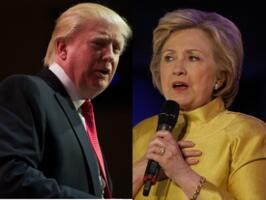
Maybe it was lucky for Donald Trump that he was running against Hillary Clinton or he wouldn't be president-elect today.
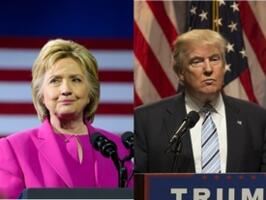
Most voters are reassured by the first post-election speeches President-elect Donald Trump and Hillary Clinton gave, but Democrats are apparently in a less forgiving mood.

Pulse Opinion Research conducts the field work and provides the methodology for all Rasmussen Reports surveys. Pulse did a number of state tracking surveys during the presidential election season for the Alliance of Automobile Manufacturers and the Entertainment Software Association.
Here’s the Auto Alliance’s analysis of those survey results.
With Hillary Clinton holding a 0.9% lead over Donald Trump in the popular vote, 2016 appears to be the fourth time in U.S. history that the president-elect lost the overall vote but won the Electoral College to take the White House. Even before the election results came in, a majority of voters said the Electoral College needs to go.
Voters are pretty critical of the news coverage they got this election cycle, particularly those who relied on social media.
