As COVID-19 Continues, Faith in Public Health System Falls
Fear of coronavirus remains high, with Americans expressing less confidence that the U.S. public health system can handle it.
Search for "covid"
Site search returned 209 matches
Sort results by
Fear of coronavirus remains high, with Americans expressing less confidence that the U.S. public health system can handle it.
With the coronavirus lockdown easing in much of the country, most Americans plan to return to restaurants in the next month, although they admit they are worried about catching the virus while dining out.
Few things are more terrifying than the unknown, as we are discovering as we struggle to navigate, avoid and (if we fail to avoid) survive a mysterious new virus. That goes double when reliable information is hard to come by; it is unquantifiably worse without credible leadership.
The vast majority of Americans say their home states have begun to loosen their coronavirus lockdowns, with just over half reporting that someone in their immediate family has been able to return to work.
Even as the coronavirus lockdown eases in many parts of the country, Americans are less concerned about the threat of the disease but still aren’t overly confident in the ability of the public health system to protect them.
Views of the coronavirus crisis and how America has responded continue to break down along party lines, which helps explain why Red Republican states are opening up while Blue Democrat states are extending their lockdowns.
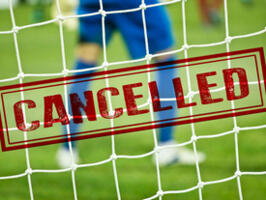
One-in-four Americans have been forced to cancel tickets to a sporting event because of the coronavirus crisis and now say they are watching more sports on TV to make up for it.
Do you remember the 1957-58 Asian flu? Or the 1968-69 Hong Kong flu? I do. I was a teenager during the first of these, an adult finishing law school during the second. But even though back then I followed the news much more than the average person my age, I can't dredge up more than the dimmest memory of either.
The number of Americans citing lost jobs in their immediate family thanks to the coronavirus has fallen back to the level seen earlier in the crisis.
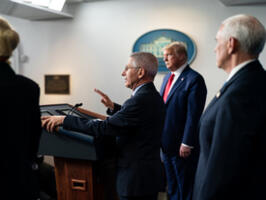
Americans give Dr. Anthony Fauci high marks for his performance during the coronavirus crisis but disagree with his continuing go-slow approach to reopening the country.
On a multicountry trip to South America, President Ronald Reagan couldn't restrain himself from the inane observation that every tourist finds himself saying about such trips. "Every country is different." So, it seems, is every virus capable of spreading into pandemic.
The influenza pandemic of 1918-19, for example, tended to kill otherwise healthy people in the prime of life, ages 20 to 40. COVID-19 tends to kill people age 70 and above, especially those with comorbidities.
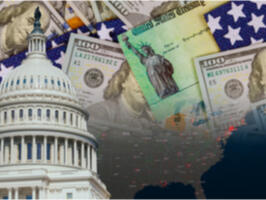
Voters agree government money isn’t enough to counter the coronavirus economic crash, but most Democrats think $2,000 monthly payments to Americans who earn less than $120,000 a year are necessary even as the lockdown begins to break down.
The U.S. economy is at last moving into the recovery stage from the coronavirus, at least in most states.
One definite pattern has emerged: Republican states are reopening much more swiftly than Democratic states. A most notable case in point is the revival strategies of the four largest states. California and New York are closed for weeks to come; Florida and Texas are getting back in business now.
Voters generally approve of the way their state and local governments have handled the coronavirus pandemic, but they’re also more worried that government may be making things worse rather than better.
Republicans are a lot more eager than Democrats to emerge from the coronavirus lockdown even if it means more sickness and death. But most voters regardless of party affiliation agree America can’t remain like this indefinitely.
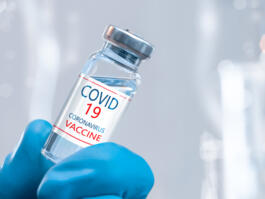
Americans are more eager to take the COVID-19 vaccine than the usual flu shot, according to a new Rasmussen Reports national telephone and online survey.
Voters are more eager to get back to work but aren’t convinced things will be returning to normal for many by next month. Most remain worried, too, that they’ll get the coronavirus if they return to the workplace.
Americans are pessimistic about the struggle against the coronavirus, although concerns about the food supply haven’t grown.
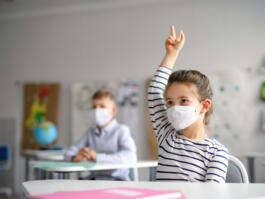
The vast majority of voters wear a mask at least some of the time these days because of the coronavirus, but they’re far less enthusiastic about punishing those who don’t.
We've known for years that China lies and cheats and steals when it comes to international trade. Now we've learned that it also spread the deadly disease COVID-19. Donald Trump ran for president five years ago as the ultimate China hawk on trade, and he was way ahead of the curve for protecting against China's devious behavior. He saved countless lives here in the United States by shutting down travel from China back in February.