Only 54% of Democrats Want Biden As Nominee
Joe Biden has the support of just over half of Democrats, although the vast majority still expect the former vice president to be their party’s presidential nominee.

Joe Biden has the support of just over half of Democrats, although the vast majority still expect the former vice president to be their party’s presidential nominee.

Voters generally approve of the way their state and local governments have handled the coronavirus pandemic, but they’re also more worried that government may be making things worse rather than better.

Republicans are a lot more eager than Democrats to emerge from the coronavirus lockdown even if it means more sickness and death. But most voters regardless of party affiliation agree America can’t remain like this indefinitely.
Most Republicans still believe senior federal law enforcement officials acted illegally to try to stop Donald Trump’s election and think former FBI Director James Comey should be criminally prosecuted.
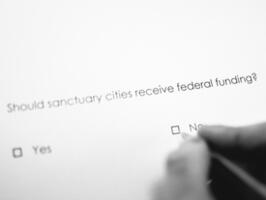
President Trump wants to penalize sanctuary communities in future federal bailout packages. Most Republicans think it’s a good idea; most Democrats don’t.

Voters are more eager to get back to work but aren’t convinced things will be returning to normal for many by next month. Most remain worried, too, that they’ll get the coronavirus if they return to the workplace.
A former Senate staffer has accused Joe Biden of sexual assault, and voters suspect she may be telling the truth. But they don’t expect the media to cover the Biden story like they did the allegations against Supreme Court nominee Brett Kavanaugh.

There’s a lot more voter excitement about a Trump-Biden matchup compared to the last two presidential elections, especially among Republicans.

The vast majority of voters wear a mask at least some of the time these days because of the coronavirus, but they’re far less enthusiastic about punishing those who don’t.
Most voters here want the United Nations to punish China for inflicting the coronavirus on the world, and a sizable number favor state lawsuits against the Asian giant.

Most voters in general support President Trump’s temporary freeze on legal immigration to give Americans a better chance in the post-coronavirus job market. Most Democrats do not.
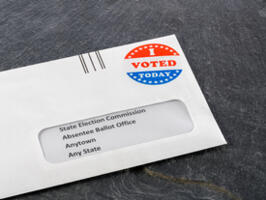
Democrats are pushing hard to allow more voting by mail this November because of the coronavirus, and most voters concur. But most also agree with critics that more voter fraud is likely.

California Governor Gavin Newsom has authorized $500 cash payments to all illegal immigrants in his state in response to the economic impact of the coronavirus, but voters aren’t keen to that idea in their home state.
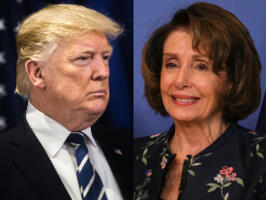
Voters are evenly divided when asked if President Trump or House Speaker Nancy Pelosi would do a better job dealing with the coronavirus but think Trump is more likely to put the country ahead of his political party.
Most Democrats blame President Trump, not China, for the coronavirus crisis the country is now experiencing. Other voters disagree.

If Joe Biden ends up as the Democrats’ presidential nominee, most voters in his party think he should choose a woman or person of color as his running mate, but there’s no clear favorite.

Voters still agree most politicians are intent on growing the size of government but aren’t as worried about that as they used to be.

A sizable number of voters are ready for America to begin returning to normal and think another six weeks is the most we can afford to remain closed down. Most worry, though, that they will get the coronavirus if they return to work.
Voters agree America would not be better off with Hillary Clinton in the White House during the coronavirus pandemic but think Joe Biden would do just as good a job as President Trump.

Democrats are quite happy with the ongoing media coverage of the coronavirus. But Republicans continue to put their faith in President Trump and see the media coverage as just another tool to attack him.
