If it's in the News, it's in our Polls. Public opinion polling since 2003.

General Politics

Most Recent Releases

October 15, 2014

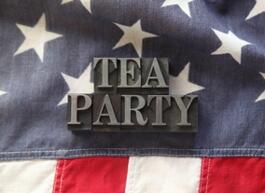
Tea Party Is Still Most Toxic Political Label

Many pundits have suggested that America is now a 50-50 nation politically, and a look at how voters react to political labels suggests that may be true. Being linked to the Tea Party is still the worst thing you can say about a candidate, but Republicans don’t agree.

The latest Rasmussen Reports national telephone survey finds that roughly the same number of Likely U.S. Voters consider it a positive description if a candidate is called a conservative (31%), a moderate (33%) or a progressive (30%).

Twenty-five percent (25%) think it’s a negative description to be called a conservative, while 39% rate it somewhere in between. Slightly more (28%) believe it’s a negative to be called a progressive, the label liberals have adopted to get out from under the “L” word, but 34% say it’s somewhere in between. As for moderate, only 15% view it as a negative description, while 48% see it as somewhere in between positive and negative. (To see survey question wording, click here.)

(Want a free daily e-mail update ? If it's in the news, it's in our polls). Rasmussen Reports updates are also available on Twitter or Facebook.

The national survey of 1,000 Likely Voters was conducted on October 13-14, 2014 by Rasmussen Reports. The margin of sampling error is +/- 3 percentage points with a 95% level of confidence. Fieldwork for all Rasmussen Reports surveys is conducted by Pulse Opinion Research, LLC . See methodology.

October 14, 2014

TV's Still Tops for Voters When It Comes to Political News

Voters still turn to TV over the Internet when it comes to political news, but the gap is narrowing. However, regardless of the source, voters are skeptical about the political news they are getting.

A new Rasmussen Reports national telephone survey finds that 44% of Likely U.S. Voters are most likely to get their political news from television, while 30% are more likely to use the Internet. Just nine percent (9%) say they usually get their political fix from newspapers or magazines, while seven percent (7%) turn to talk radio. Five percent (5%) get their political news predominately from social media. (To see survey question wording, click here.)

(Want a free daily e-mail update? If it's in the news, it's in our polls).  Rasmussen Reports updates are also available on Twitter or Facebook.

The national survey of 1,000 Likely Voters was conducted on October 9-10, 2014 by Rasmussen Reports. The margin of sampling error is +/- 3 percentage points with a 95% level of confidence. Field work for all Rasmussen Reports surveys is conducted by Pulse Opinion Research, LLC. See methodology.

October 14, 2014

Voters Say State Electoral Debates Are Important, But Don’t Change Their Mind

As the midterm election season enters the final stretch, most voters consider debates important to their vote and good indicators of where the candidates stand. But for the majority, a debate has never changed the way they ultimately decided to vote.

A new Rasmussen Reports national telephone survey finds that 75% of Likely U.S. Voters think that, in terms of how they will vote, debates between candidates for statewide office are at least somewhat important, including 35% who consider them Very Important. Just 23% say such debates are not important to their vote, including six percent (6%) who say they’re Not At All Important. (To see survey question wording, click here.)

(Want a free daily e-mail update? If it's in the news, it's in our polls). Rasmussen Reports updates are also available on Twitter or Facebook.

The survey of 1,000 Likely Voters was conducted on October 11-12, 2014 by Rasmussen Reports. The margin of sampling error is +/- 3 percentage points with a 95% level of confidence. Field work for all Rasmussen Reports surveys is conducted by Pulse Opinion Research, LLC. See methodology.

October 10, 2014

Most Say Negative Campaign Ads Have Negative Effect on Voting

Political candidates produce negative advertisements about their opponents to try to gain more votes, but it turns out that effort has the opposite effect. A new Rasmussen Reports national telephone survey finds that 63% of regular television viewers think most political advertising on TV attacks the opposing candidate. Just 14% say most political advertising simply promotes the candidate who is paying for it. Twenty-three percent (23%) are not sure. (To see survey question wording, click here.)

(Want a free daily e-mail update? If it's in the news, it's in our polls). Rasmussen Reports updates are also available on Twitter or Facebook.

The survey of 1,000 American Adults was conducted on October 8-9, 2014 by Rasmussen Reports. The margin of sampling error is +/- 3 percentage points with a 95% level of confidence. Field work for all Rasmussen Reports surveys is conducted by Pulse Opinion Research, LLC. See methodology.

October 10, 2014

Americans Say Candidates Don’t Need Negativity to Win

Americans believe candidates don’t need to resort to criticizing their opponents and producing negative campaign ads to win an election.

A new Rasmussen Reports national telephone survey finds that 56% of American Adults believe it is possible for a candidate to win an election without criticizing their opponent.  This finding is up from 49% in 2012 but still down from 64% in 2010. Twenty-five percent (25%) disagree, down from 39% in 2012. Eighteen percent (18%) are not sure. (To see survey question wording, click here.)

(Want a free daily e-mail update? If it's in the news, it's in our polls). Rasmussen Reports updates are also available on Twitter or Facebook.

The survey of 1,000 American Adults was conducted on October 8-9, 2014 by Rasmussen Reports. The margin of sampling error is +/- 3 percentage points with a 95% level of confidence. Field work for all Rasmussen Reports surveys is conducted by Pulse Opinion Research, LLC. See methodology.

October 10, 2014

Voters Want Era of Big Government To End

Voters continue to hold a negative view of the federal government and most say they want the era of big government to end.

A new Rasmussen Reports national telephone survey finds that 32% of Likely U.S. Voters have a favorable opinion of the federal government, unchanged from August. This finding includes only four percent (4%) who have a Very Favorable opinion. Sixty-four percent (64%) view the federal government unfavorably, also unchanged from previous survey. This finding includes 27% who have a Very Unfavorable view.  Four percent (4%) are not sure. (To see survey question wording, click here.)

Want a free daily e-mail update? If it's in the news, it's in our polls). Rasmussen Reports updates are also available on Twitter or Facebook.

The survey of 1,000 Likely Voters was conducted on October 7-8, 2014 by Rasmussen Reports. The margin of sampling error is +/- 3 percentage points with a 95% level of confidence. Field work for all Rasmussen Reports surveys is conducted by Pulse Opinion Research, LLC.

October 9, 2014

Voters Question Whether Either Major Party Has A Plan for the Future

Fewer voters than ever think either major political party has a plan for the nation’s future, with most still convinced that neither represents the American people.

The latest Rasmussen Reports national telephone survey finds that 53% of Likely U.S. Voters think it is fair to say that neither party in Congress is the party of the American people. Twenty-eight percent (28%) disagree, but 20% are not sure. (To see survey question wording, click here.)

(Want a free daily e-mail update? If it's in the news, it's in our polls). Rasmussen Reports updates are also available on Twitter orFacebook.

The survey of 1,000 Likely Voters was conducted on October 7-8, 2014 by Rasmussen Reports. The margin of sampling error is +/- 3 percentage points with a 95% level of confidence. Field work for all Rasmussen Reports surveys is conducted by Pulse Opinion Research, LLC. See methodology.

White letter R on blue background
October 8, 2014

Voters Think China’s Economic Power Lets It Get Away With Abuses

Despite ongoing pro-democracy protests in Hong Kong, American voters don’t think the U.S. government should be doing more to support the movement. But most also agree that America overlooks many abuses by the Chinese government because of that country’s economic power.

A new Rasmussen Reports national telephone survey finds that just 22% of Likely U.S. Voters believe the Obama administration should be doing more to support pro-democracy protestors in Hong Kong. Forty-one percent (41%) disagree, but just as many (38%) are not sure. (To see survey question wording, click here.) 

(Want a free daily e-mail update? If it's in the news, it's in our polls). Rasmussen Reports updates are also available on Twitter or Facebook.

The national survey of 1,000 Likely Voters was conducted on October 5-6, 2014 by Rasmussen Reports. The margin of sampling error is +/- 3 percentage points with a 95% level of confidence. Fieldwork for all Rasmussen Reports surveys is conducted by Pulse Opinion Research, LLC . See methodology.

October 7, 2014

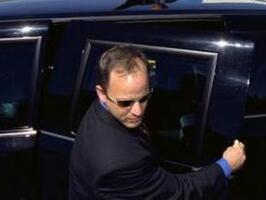
Voters Think Secret Service Mistakes Happen More Often Than We Know

Though the recent security lapses by the Secret Service have been highly publicized, many voters think they are just the tip of the iceberg. A new Rasmussen Reports national telephone survey finds that just 29% of Likely U.S. Voters believe the recent mistakes in the Secret Service’s protection of the president were isolated incidents. Fifty-three percent (53%) think mistakes are more common than have been reported. Another 18% are not sure. (To see survey question wording, click here.)

(Want a free daily e-mail update? If it's in the news, it's in our polls). Rasmussen Reports updates are also available on Twitter or Facebook.

The national telephone survey of 1,000 Likely Voters was conducted by Rasmussen Reports on October 3-4, 2014. The margin of sampling error for the survey is +/- 2 percentage points with a 95% level of confidence. Fieldwork for all Rasmussen Reports surveys is conducted by Pulse Opinion Research, LLC. See methodology.

October 7, 2014

Voters More Favorable Toward Women, Gays in Military

Voters have become more accepting of women and gay and lesbian soldiers taking larger roles in the U.S. military than they have been in the past.

A new Rasmussen Reports national telephone survey finds that 49% of Likely U.S. Voters say the growing role of women in the military services is good for the military, tying February’s high, though that number has stayed in the narrow 45% to 49% range since polling began in late 2013. Just 15% now think women’s growing roles are bad for the military, down from 17%. One-in-three (30%) think it has no impact on the U.S. military. (To see survey question wording, click here.)

(Want a free daily e-mail update? If it's in the news, it's in our polls). Rasmussen Reports updates are also available on Twitter or Facebook.

The survey of 1,000 Likely Voters was conducted on October 1-2, 2014 by Rasmussen Reports. The margin of sampling error is +/- 3 percentage points with a 95% level of confidence. Field work for all Rasmussen Reports surveys is conducted by Pulse Opinion Research, LLC. See methodology.

October 3, 2014

One Year Later, 82% Say Government Shutdown Has Had Little Impact on Them

Voters think last year’s partial shutdown of the federal government never should have happened, but the vast majority acknowledges that the shutdown has had little or no impact on them personally. The shutdown began a year ago this week amid protests from President Obama and senior congressional Democrats that it would have a disastrous effect on the U.S. economy, and 26% of Likely U.S. Voters agree that the overall impact of the shutdown has been as bad as predicted. But the latest Rasmussen Reports national telephone survey finds that 51% disagree and say the overall impact has not been as bad as predicted. Twenty-three percent (23%) are not sure. (To see survey question wording, click here.)

(Want a free daily e-mail update? If it's in the news, it's in our polls). Rasmussen Reports updates are also available on Twitter or Facebook.

The survey of 1,000 Likely Voters was conducted on October 1-2, 2014 by Rasmussen Reports. The margin of sampling error is +/- 3 percentage points with a 95% level of confidence. Field work for all Rasmussen Reports surveys is conducted by Pulse Opinion Research, LLC. See methodology. 

White letter R on blue background
September 30, 2014

47% Think Holder More Interested in Politics Than in Justice

Voters think Eric Holder played politics as U.S. attorney general and hope President Obama picks someone who’s not like him to be the nation’s next top law enforcement officer. But those who view the Constitution as “a living document” are much more appreciative of his efforts than those who favor a strict interpretation of that document.

A new Rasmussen Reports national telephone survey finds that 47% of Likely U.S. Voters believe Holder was more interested in politics than in administering justice in a fair way. Just 28% disagree and think fair administration of justice was Holder’s chief interest. Nearly as many (25%) aren’t sure. (To see survey question wording, click here.)

(Want a free daily e-mail update? If it's in the news, it's in our polls). Rasmussen Reports updates are also available on Twitter or Facebook.

The survey of 1,000 Likely Voters was conducted on September 27-28, 2014 by Rasmussen Reports. The margin of sampling error is +/- 3 percentage points with a 95% level of confidence. Field work for all Rasmussen Reports surveys is conducted by Pulse Opinion Research, LLC. See methodology.

September 29, 2014

Voters Favor More Action Against ISIS, but How Will Muslims Feel?

Voters are on board with President Obama's decision to step up action against the radical Islamic group ISIS in the Middle East and think involvement by Muslim nations increase the mission’s chances of success. But voters are less confident how this latest offensive will impact relations between the United States and the Muslim world.

A new Rasmussen Reports national telephone survey shows that 65% of Likely Voters agree with the president’s decision to increase the use of U.S. military force in the Middle East. Nineteen percent (19%) disagree, while 16% are undecided. (To see survey question wording, click here.)

(Want a free daily e-mail update? If it's in the news, it's in our polls). Rasmussen Reports updates are also available on Twitter or Facebook.

The survey of 1,000 Likely U.S. Voters was conducted on September 25-26, 2014 by Rasmussen Reports. The margin of sampling error is +/- 3 percentage points with a 95% level of confidence. Field work for all Rasmussen Reports surveys is conducted by Pulse Opinion Research, LLC. See methodology.

September 25, 2014

42% Think Romney Would Be Doing A Better Job Than Obama

With President Obama's job approval rating hovering near -20, some inevitably wonder what if the last two presidential elections had turned out differently.

A new Rasmussen Reports national telephone survey finds that 42% of Likely U.S. Voters believe Republican presidential candidate Mitt Romney would be doing a better job as president today than Obama is. Thirty-seven percent (37%), however, think Romney would be doing a worse job, while 12% think he would be doing about the same. (To see survey question wording, click here.)

(Want a free daily e-mail update? If it's in the news, it's in our polls). Rasmussen Reports updates are also available on Twitter or Facebook.

The survey of 1,000 Likely Voters was conducted on September 19-20, 2014 by Rasmussen Reports. The margin of sampling error is +/- 3 percentage points with a 95% level of confidence. Field work for all Rasmussen Reports surveys is conducted by Pulse Opinion Research, LLC. See methodology.

White letter R on blue background
September 25, 2014

Obama and Hillary: Friends or Foes?

Voters tend to think a Hillary Clinton presidency would be like the Obama presidency when it comes to the major issues and expect President Obama to endorse his former secretary of State. But they’re not so sure the two top Democrats like each other.

The latest Rasmussen Reports national telephone survey finds that only 28% of Likely U.S. Voters think Clinton and Obama like each other. Thirty-four percent (34%) say they don’t. Slightly more (37%) are undecided. (To see survey question wording, click here.)

(Want a free daily e-mail update? If it's in the news, it's in our polls). Rasmussen Reports updates are also available on Twitter or Facebook.

The national survey of 1,000 Likely Voters was conducted on September 23-24, 2014 by Rasmussen Reports. The margin of sampling error is +/- 3 percentage points with a 95% level of confidence. Field work for all Rasmussen Reports surveys is conducted by Pulse Opinion Research, LLC. See methodology.

September 24, 2014

GOP Voters Think Republicans in Congress Out of Touch

Democrats continue to feel much more strongly than Republicans that their representatives in Congress are doing a good job fighting for what their party believes in. But most voters in both parties think the current Congress should be thrown out.

A new Rasmussen Reports national telephone survey finds that just 28% of Likely Republican Voters believe Republicans in Congress have done a good job representing GOP values. By contrast, nearly twice as many Likely Democratic Voters (53%) believe Democrats in Congress have done a good job representing their party’s values.

Sixty-two percent (62%) of Republicans think instead that their legislators have lost touch with GOP voters from throughout the nation. Only 33% of Democrats think their congressional representatives have lost touch with the party’s base. (To see survey question wording, click here.)

(Want a free daily e-mail update? If it's in the news, it's in our polls). Rasmussen Reports updates are also available on Twitter or Facebook.

The survey of 1,000 Likely Voters was conducted on September 21-22, 2014 by Rasmussen Reports. The margin of sampling error is +/- 3 percentage points with a 95% level of confidence. Field work for all Rasmussen Reports surveys is conducted by Pulse Opinion Research, LLC. See methodology.

White letter R on blue background
September 19, 2014

Voters Think Overworked U.S. Troops Will Soon Be Fighting In Iraq

Most voters believe the U.S. military has too many missions these days and think it’s likely that fighting in Iraq will soon be another job for it to do. But while President Obama is reportedly sending 3,500 military personnel to Africa to fight Ebola, voters say patrolling the border to prevent illegal immigration would be a better use for those forces.

The latest Rasmussen Reports national telephone survey finds that 55% of Likely U.S. Voters believe the U.S. military is overstretched these days. Just 31% think the military can adequately handle the number of missions it has. Fourteen percent (14%) are not sure. (To see survey question wording, click here.)

(Want a free daily e-mail update? If it's in the news, it's in our polls). Rasmussen Reports updates are also available on Twitter or Facebook.

The survey of 1,000 Likely Voters was conducted on September 17-18, 2014 by Rasmussen Reports. The margin of sampling error is +/- 3 percentage points with a 95% level of confidence. Field work for all Rasmussen Reports surveys is conducted by Pulse Opinion Research, LLC. See methodology.

White letter R on blue background
September 18, 2014

Voters See ‘War on Women’ As Politics, Not Reality

Most voters don’t consider the so-called “war on women” a war at all but see it as just a political tactic. But women are less convinced than men that they share the same political interests.

A new Rasmussen Reports national telephone survey finds that just 22% of Likely U.S. Voters believe there is really a political “war on women” going on. Fifty-nine percent (59%) say the “war on women” is primarily a slogan used for political purposes instead. But 19% are not sure. (To see survey question wording, click here.)

(Want a free daily e-mail update? If it's in the news, it's in our polls). Rasmussen Reports updates are also available on Facebook.

The survey of 1,000 Likely Voters was conducted on September 13-14, 2014 by Rasmussen Reports. The margin of sampling error is +/- 3 percentage points with a 95% level of confidence. Field work for all Rasmussen Reports surveys is conducted by Pulse Opinion Research, LLC. See methodology.

September 17, 2014

Voters Still Say No to D.C. Statehood

Most voters still don’t think Washington, D.C. should be a state, and they remain closely divided over whether Congress should give up its long-standing veto power over the city’s laws and budget.

The U.S. Constitution designates the nation’s capital as a federal district, not a state, and only 24% of Likely U.S. Voters believe that should be changed. The latest Rasmussen Reports national telephone survey finds that 58% oppose statehood for Washington, D.C. Eighteen percent (18%) are undecided.  (To see survey question wording, click here.)

(Want a free daily e-mail update? If it's in the news, it's in our polls). Rasmussen Reports updates are also available on Facebook.

The survey of 1,000 Likely Voters was conducted on September 15-16, 2014 by Rasmussen Reports. The margin of sampling error is +/- 3 percentage points with a 95% level of confidence. Field work for all Rasmussen Reports surveys is conducted by Pulse Opinion Research, LLC. See methodology.

September 16, 2014

Most Voters Still Want Government to Cut Spending to Boost Economy

In reacting to the nation’s current economic problems, more voters worry the government won’t do enough than that it will do too much. However, they hope the government’s response is to cut spending, not increase it.

A new Rasmussen Reports national telephone survey finds that 52% of Likely U.S. Voters are more concerned that the government won't dip enough in responding to the bad economy. Just 38% are more worried that the government will do too much. (To see survey question wording, click here.)

(Want a free daily e-mail update? If it's in the news, it's in our polls). Rasmussen Reports updates are also available on Facebook.

The survey of 1,000 Likely Voters was conducted on September 11-12, 2014 by Rasmussen Reports. The margin of sampling error is +/- 3 percentage points with a 95% level of confidence. Field work for all Rasmussen Reports surveys is conducted by Pulse Opinion Research, LLC. See methodology.