Democrats See Russia as Election Culprit, Others Don’t
Democrats, still searching for a reason for Hillary Clinton’s surprise defeat, now blame the Russians, but other voters don’t see it that way.

Democrats, still searching for a reason for Hillary Clinton’s surprise defeat, now blame the Russians, but other voters don’t see it that way.

President-elect Donald Trump has announced that his two older children will run his businesses while he is in the White House, but voters suspect Trump will still be involved. They stop short, however, of demanding that he sell all of his businesses to prevent any conflict of interest.
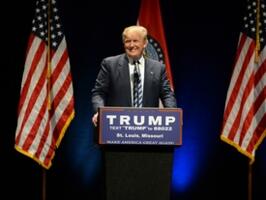
Most voters believe Donald Trump is likely to do things as president to make himself more money but still think he is no more unethical than other politicians.

Some Trump opponents have questioned the president-elect’s decision to include several former top military officers in his Cabinet including one as secretary of Defense, but most voters don’t have a problem with that call.
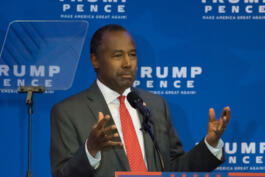
Democrats dislike President-elect Donald Trump's Cabinet picks to date, but Republicans are pretty happy with them. One of his more high-profile picks, former Republican primary rival Ben Carson, is much more familiar to voters now than he was in the early days of the presidential campaign.
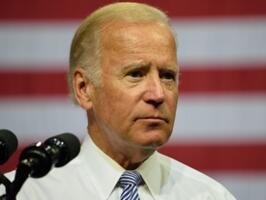
Vice President Joe Biden flirted this week with the possibility of running for president in 2020. But while his fellow Democrats like Biden a lot, they strongly feel their party needs to run a newcomer for the White House next time around.
President-elect Donald Trump repeatedly promised during his campaign that he would dismantle the “disastrous” nuclear deal the Obama administration negotiated with Iran last year. Voters doubt Iran will hold up its end of the bargain but are closely divided as to whether the new president should keep the deal or renegotiate it.
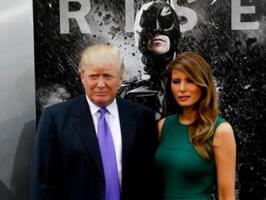
Partisan politics even invade attitudes about the president's wife as our first survey about incoming first lady Melania Trump shows.
Republicans will soon control both Congress and the White House, and GOP voters strongly believe the country will be better off. Most Democrats and unaffiliated voters don’t share that confidence.
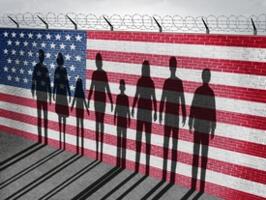
Republican support for building a wall on the U.S.-Mexico border right away remains strong, but other voters are growing even less enthusiastic. With it or without it, voters are closely divided over whether President-elect Trump and the GOP Congress can stop illegal immigration into this country.

Rasmussen Reports told you all along that it was a much closer race than most other pollsters predicted. We weren’t surprised Election Night. They were. Now Real Clear Politics has posted the final results, and look who came in second out of 11 top pollsters who surveyed the four-way race.
Voters see President-elect Donald Trump as an improvement over President Obama when it comes to the handling of small business issues but are worried that he’ll be too chummy with big business.
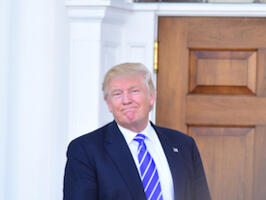
Voters put a lot of stock in the selection of the next U.S. Supreme Court justice this election cycle , and most believe President-elect Donald Trump will nominate justices who are strict constitutionalists. They are more divided as to whether Trump’s nominees will be too conservative or about right politically.

Jury selection is underway in the federal trial of Dylann Roof who stands accused of the shooting deaths of a pastor and eight parishioners in a black Charleston, South Carolina church last year. Most Americans believe Roof deserves the death penalty if found guilty.

Most voters expect big things from President-elect Donald Trump and the Republican Congress right from the start but aren’t quite as optimistic as when Barack Obama and Democrats took full charge in 2009.

Still struggling to explain Donald Trump's surprise victory, Hillary Clinton and many of her supporters first blamed FBI Director James Comey. In recent days, some have turned to what they are calling "fake news" on social media sites, insisting that the deliberate spread of false information may have been a deciding factor.

Confidence in U.S. race relations hit an all-time low earlier this year, but Americans think they’re even worse in politics and government. However, most don’t think Americans are inherently racist.
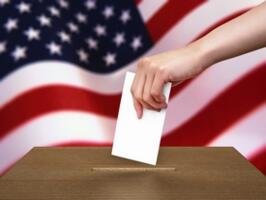
Most Democrats welcome a presidential vote recount in three key states; most Republicans and unaffiliated voters do not. But the majority of voters in all three groups think a recount is unlikely to reverse Donald Trump’s victory. (To see survey question wording, click here.)

President-elect Donald Trump has assured the American public that his wide array of business dealings around the world won’t impact his decisions as chief executive, but most voters have concerns about whether that will truly be the case. Democrats are far more concerned than other voters are, however.
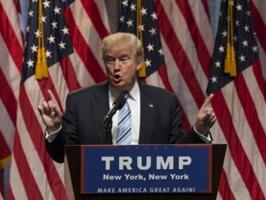
President-elect Donald Trump has been busy meeting with potential members of his Cabinet, including some who were vocal opponents of his campaign. Voters overwhelmingly believe that a president’s Cabinet is important to his administration’s success, but are less sure about the benefits of bringing in political opponents.
