For Political News, TV Still Rules
Despite society’s ever-growing reliance on the Internet, most voters still prefer to turn on the television to get their political news.

Despite society’s ever-growing reliance on the Internet, most voters still prefer to turn on the television to get their political news.

More voters than ever see a worsening relationship between the United States and the Islamic world, but they are less convinced that most Muslims around the world view America as an enemy and vice versa.

Following the first major attack by radical Islamic terrorists on American soil in several years, President Obama sought to reassure Americans in a speech to the nation Sunday night that the federal government has things under control. He outlined the measures being taken to fight the radical Islamic State group (ISIS), called for more gun control and cautioned against anti-Muslim bias.

With increasing reports that terrorists regularly use the Internet to coordinate their actions, Americans think preventing potential criminal activity online is more important than maintaining complete Internet freedom, but they are sharply divided as to who should be doing the policing.

Unlike President Obama, U.S. voters think the United States is at war with radical Islamic terrorism and remain wary of the Islamic religion as a whole.
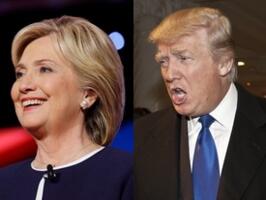
It’s a draw. Voters are evenly divided when asked which presidential front-runner would best keep this country safe from terrorism.
Republican presidential frontrunner Donald Trump says he would support government tracking of Muslims living in the United States through a federal database, a plan his fellow GOP rivals say is going too far. Still, one-in-three voters - and a slight plurality of Republicans - support government monitoring of Muslims.
A new Rasmussen Reports national telephone survey finds that 32% of Likely U.S. Voters believe most individual Muslims should be monitored by the government as potential terrorists. Most (52%) are opposed to such a plan, but 16% are undecided. (To see survey question wording, click here.)
(Want a free daily e-mail update? If it's in the news, it's in our polls). Rasmussen Reports updates are also available on Twitter or Facebook.
The survey of 1,000 Likely Voters was conducted on November 17-18, 2015 by Rasmussen Reports. The margin of sampling error is +/- 3 percentage points with a 95% level of confidence. Field work for all Rasmussen Reports surveys is conducted by Pulse Opinion Research, LLC. See methodology.

Regardless of who wins the presidential election in 2016, Americans who are currently serving or have previously served in the armed forces hope he or she raises military spending.
More than three-quarters of Americans who are now in the military or have previously served have little doubt that Post-Traumatic Stress Disorder is a major problem for veterans.
Black Lives Matter or all lives matter is an ongoing political debate, but most voters aren't convinced that the Black Lives Matter movement is interested in justice for all.

In a heated exchange during last week's Republican presidential primary debate, Senator Rand Paul criticized fellow Senator Marco Rubio for his calls to substantially increase defense spending when the United States already spends more on its military than the next 10 countries combined. Turns out just half of U.S. voters are aware of how much this country spends compared to the rest of the world, and a plurality wants the figure to increase.
Hillary Clinton is still in line to win the Democratic Party's nomination to be the next commander in chief, but few Americans in the military have a good impression of her.
Of the many hurdles military veterans face in America today, they name adjusting back to everyday life as the most significant challenge. Many also feel that private companies are not making the adjustment any easier.
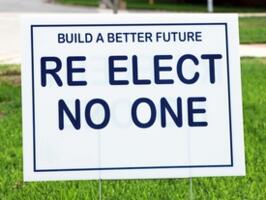
As the presidential candidates for both major parties lay out their agendas for the next four years, voters continue to question whether either side really knows where it’s going.

America’s military risk their lives to defend this country, but now they want a better chance to defend themselves, too.
Americans still firmly believe the war on drugs has been a failure, and few think more money will make a difference.
Ohio voters yesterday rejected by nearly a two-to-one margin a ballot initiative that would have legalized both medical and recreational marijuana, but mixing the two into one vote may have been supporters’ biggest mistake.
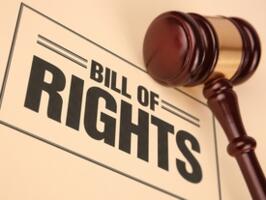
Even as they worry the federal government is a growing threat to their rights, voters continue to strongly value their basic constitutional freedoms. They are even more supportive now than they have been in the past of their right to bear arms.
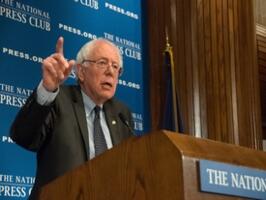
The man currently running a distant second for the Democratic presidential nomination, Vermont Senator Bernie Sanders, is a self-declared socialist, and most of his party’s voters now have a positive view of socialism. They are almost evenly divided as to whether they like capitalism or socialism more.

Most voters continue to believe the government should regulate campaign contributions, but they also still feel that publishing the names of all contributors is more important than limiting what they give.
