Do Voters Miss Obama?
With President Trump’s first 100 days in office a decidedly mixed bag, it begs the question: do voters miss his predecessor in the White House?

With President Trump’s first 100 days in office a decidedly mixed bag, it begs the question: do voters miss his predecessor in the White House?
Voters strongly believe the nation’s stock of nuclear weapons is crucial to its national security, but they don’t feel the country needs to increase its nuclear stockpile.
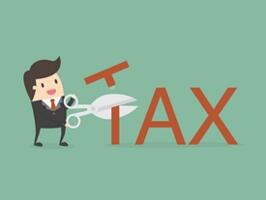
Voters still tend to think cutting taxes is a good economic move but worry that President Trump and Congress may cut too much.

Gun sales in the United States are down since Donald Trump took office even though Americans now think it’s easier to get a gun than it used to be.
A radio host recently claimed Senator Bernie Sanders is the most popular politician in America today and would have defeated Donald Trump by a landslide in the presidential election had he been the Democratic nominee.
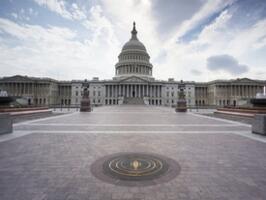
Voters don’t put much trust in the government to do the right thing in most situations. (To see survey question wording, click here.)

Most voters continue to believe crony capitalism is alive and well in the government.

Following a spate of violent murders in Long Island suspected to be at the hands of the MS-13 street gang, Attorney General Jeff Sessions pushed for labeling the gang as a terrorist organization in an effort to crack down on illegal immigration. Voters support the move, but aren’t so convinced it will cut down on violent crime in the United States.

Voters are all for President Trump’s order to federal agencies this week to “aggressively promote and use American-made goods and to ensure that American labor is hired to do the job,” even though many suspect it will cost taxpayers more.
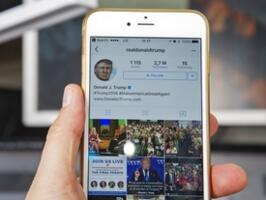
Social media sites like Facebook and Twitter are more ubiquitous than ever these days. Even the president himself often turns to Twitter to make his voice heard. But voters aren’t convinced social media has a place in politics. (To see survey question wording, click here.)
Special congressional elections are in the news, but voters say the current Congress isn't helping the candidates of either major party.

Even if it means lower tax rates, Americans still aren’t ready to eliminate tax deductions, but they wouldn’t mind a flat tax rate system.
Attorney General Jeff Sessions has ordered a review of the reform agreements President Obama's Justice Department required of several urban police departments following high-profile police shootings.
Voters think it’s unlikely President Trump could nominate anyone to the U.S. Supreme Court who would appeal to both Republicans and Democrats, but they still don’t like the Senate changing its rules to make it easier for a nominee to be confirmed.
Voters overall think the media’s going downhill, but Republicans are more convinced that the media would rather stir the pot than genuinely get to the root of the issues.
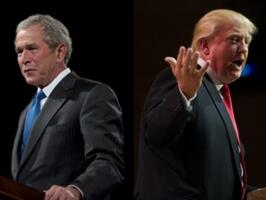
The two former Presidents Bush and Republican also-ran Jeb Bush have been critical of President Trump, and most Democrats think the GOP should listen. Most Republicans disagree. (To see survey question wording, click here.)
Although congressional Republicans have yet to pass anything of substance this year, most Democrats think they are already too pushy about what they want.

Voters are now evenly divided on which party’s views align more closely to their own, but the margin among Republican voters is shrinking when it comes to whether they think more like President Donald Trump or Republicans in Congress.

Most voters still think government is too big and too expensive, but most Democrats now disagree.

Voters want budget cuts, but most also recognize that politicians will be hard to sell on the idea.
