Voters Question Ethics of Trump, Biden, But Not Their Own
Voters are only slightly more likely to question the ethics of President Trump over those of Democratic nominee Joe Biden but consider themselves far more ethical than either man.
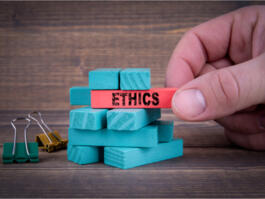
Voters are only slightly more likely to question the ethics of President Trump over those of Democratic nominee Joe Biden but consider themselves far more ethical than either man.
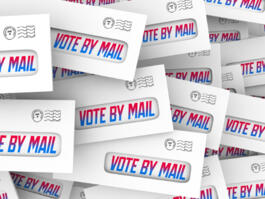
The political debate over mail-in voting continues to rage, but a sizable number of voters, especially Democrats, plan to vote that way. Most voters are confident that their vote will be fairly counted, too.

Most voters aren’t swayed by former President Obama’s harsh words about his successor Donald Trump at last week’s Democratic National Convention. Perhaps that’s because voters are closely divided when asked which man has been a better president.
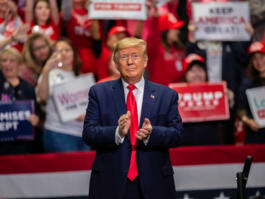
President Trump’s a solid conservative now as far as most voters are concerned but not as right-wing as Mitt Romney was when he ran for the presidency.
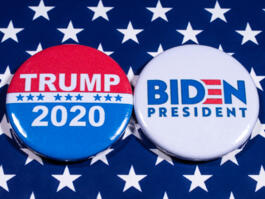
The growth of state primaries has largely reduced national political conventions to rah-rah sessions for the party faithful, but one-in-five voters say a convention has changed their vote.
Most voters view the likely Democratic ticket of Joe Biden and Kamala Harris as just as liberal as Hillary Clinton but not as far to the political left as Barack Obama.
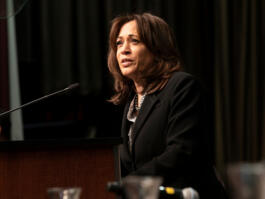
Earlier this week, Joe Biden named Kamala Harris as his running mate. Democrats overwhelmingly like the California senator and have their eye on her to hold the top spot in 2024 if the Democratic ticket loses this time around, but a third of black voters say the announcement makes them less likely to throw their support behind the Democratic ticket despite their more favorable view of her.
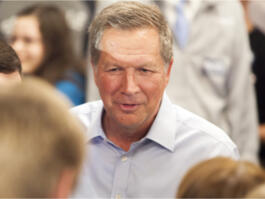
Former Ohio governor and unsuccessful GOP presidential candidate John Kasich has defected to Democrat Joe Biden. But most voters say it will have no impact on the upcoming election.
Likely Democrat nominee Joe Biden is expected to announce his vice presidential running mate any day now, and most voters think it’s likely that person will be president within the next four years if Biden is elected in November.
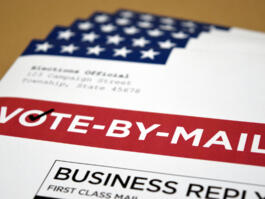
Support for mail-in voting is eroding amidst reports of problems and irregularities, but fewer voters are prepared to delay the upcoming presidential election because of the coronavirus.
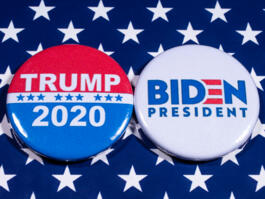
Voters in both major parties are getting more enthusiastic about a Trump-Biden presidential matchup in November.
Voters still think most news reporters are biased and will continue to help Joe Biden a lot more than President Trump in their coverage of the presidential campaign.
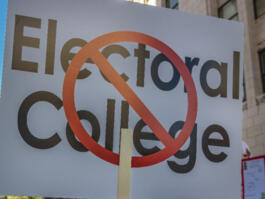
The U.S. Supreme Court’s recent “faithless elector” decision focuses attention once again on the Electoral College’s role in presidential elections. Just over half of voters are ready to set the Founding Fathers’ Electoral College aside.

Joe Biden has promised to raise taxes, and voters believe him. Voters are nearly twice as likely to think Biden will raise their taxes than President Trump will.
A New York Times columnist has urged likely Democratic nominee Joe Biden not to debate President Trump in the fall. Most voters think that’s a bad idea, although only just over half believe Biden is even up to debating Trump given ongoing questions about his mental health.
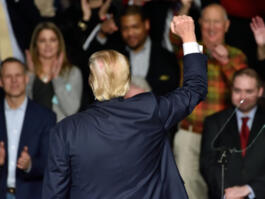
Just over half of voters continue to say they’re likely to vote against President Trump this fall. A sizable majority of those voters don’t seem to care who runs against him.
Nearly four-out-of-10 voters believe Joe Biden has dementia. Most voters, including just over half of Democrats, feel it is important for the likely Democratic presidential nominee to publicly address the issue.
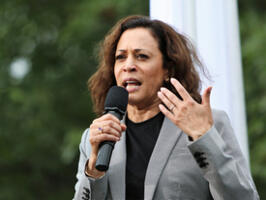
After last week’s flap over Joe Biden’s black voter comment, Kamala Harris has edged ahead among her fellow Democrats on a list of the party’s top potential vice presidential candidates.
One-in-four black voters agree with Joe Biden that a black voter who chooses Donald Trump over Biden is not really black.
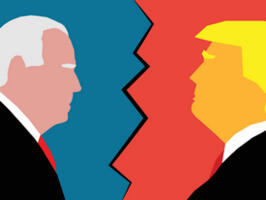
Joe Biden still bests President Trump in a head-to-head matchup, perhaps in part because voters express slightly more confidence in the likely Democratic nominee to handle the post-coronavirus economy.
